
Dock Roof Cleaning in Lake Ozark, MO
From the water, every passing boat has a clear view of your dock roof. From your own deck or back porch, the dock roof is part of the sightline every time you look toward the lake. From the dock itself, it’s directly overhead. And in most cases, what people see when they look at an unmaintained dock roof at Lake Ozark is the same thing: dark mold streaking running across the surface, algae discoloration working from the edges inward, and a biological staining pattern that makes a structurally sound dock look decades older than it is.
Dock roof cleaning isn’t a cosmetic luxury. The mold and algae accumulating on the roof surface drip biological material down onto the dock boards below — directly feeding the slip hazard and biological growth cycle on the surface where guests and family actually stand. A clean dock roof is both a visual improvement and a maintenance decision that affects the dock surface beneath it.
My Handyman LOZ has been cleaning dock roofs on Lake Ozark properties since 1992. We know the specific growth patterns that Lake Ozark’s climate produces on dock roof surfaces, we use the right soft washing methods for each roof material, and we deliver results that restore the dock’s appearance and slow the return of biological growth significantly.
✔ Serving Lake Ozark Since 1992 ✔ Dock Roof Cleaning Specialists ✔ Soft Washing + Biofilm Treatment ✔ All Roof Materials + Surface Types
Call or Text 573-217-6060 for a Free Dock Roof Cleaning Estimate
Why Lake Ozark Dock Roofs Grow Mold So Fast

Dock roofs are horizontal surfaces that stay wet.
Proximity to the water amplifies the moisture environment.
Shade from surrounding trees and bluffs
The growth is self-reinforcing
Organic debris from tree canopy
What Dock Roof Mold and Algae Actually Do — Beyond Appearance
The visual impact of dock roof mold is obvious. The less visible consequences are worth understanding.
Biological drip-down onto dock surfaces.
When it rains — or when morning dew runs off a mold-covered dock roof — it carries biological material from the roof surface directly onto the dock boards below. Every rain event on an uncleaned dock roof is essentially a mold inoculation event for the dock surface underneath. This is why dock decks with heavily stained roofs above them develop surface mold and algae faster than docks with clean roofs — the roof is continuously seeding the surface below.
Mold and algae aren’t inert surface stains — they’re biological organisms that produce organic acids and moisture-trapping structures that degrade roof material over time. Metal dock roof panels develop corrosion at the points where biological growth concentrates. Rubber and vinyl roof surfaces degrade faster under sustained biological colonization. Wood-framed roof structures accumulate moisture and rot at the points where biological growth holds water against the surface.
Aesthetic impact on property value and rental appeal.
At Lake Ozark, where vacation rental photography drives booking decisions and property appearance affects market value, a dock with a visibly mold-stained roof sends an immediate signal about maintenance standards. It’s one of the most prominent features in dock-side photography, and one of the easiest things for guests and buyers to notice from a distance.
The appearance-age gap
A structurally sound, well-built dock with a heavily mold-stained roof looks significantly older and more deteriorated than it actually is. Dock roof cleaning is one of the highest return-on-investment maintenance services available for a lakefront property — the visual improvement relative to the cost of the service is among the best of any exterior cleaning.
Dock Roof Cleaning Methods — Why Soft Washing Is the Right Approach
The cleaning method applied to a dock roof matters as much as the cleaning frequency — because the wrong approach either fails to address the underlying biological growth effectively or damages the roof material in the process.
High-pressure washing on dock roofs drives water under roofing materials, forces water into seams and overlaps, and can lift or damage metal roofing panels, damage roof substrate materials, and create the moisture infiltration conditions that cause more long-term damage than the biological growth being removed. On rubber and vinyl roof surfaces, high pressure causes surface abrasion and material damage that shortens roof life.
Soft washing
low pressure combined with professional-grade cleaning solutions — is the correct approach for dock roof cleaning. The cleaning chemistry penetrates biological growth, kills algae and mold at the root level, and breaks down the biofilm layer that drives rapid regrowth. Low-pressure application reaches into seams and overlaps without forcing water into areas where it causes damage. The result is a thoroughly cleaned surface with significantly slower biological regrowth — because the growth foundation has been treated rather than just visually removed.
Biofilm treatment
is the element that separates a professional soft wash from a pressure wash in terms of how long results last. Biofilm — the invisible microbial layer that precedes visible algae and mold growth — is what allows visible growth to re-establish quickly after surface cleaning. Treating the biofilm as part of the cleaning process extends the period before visible growth returns, sometimes by months compared to a pressure wash alone.
My Handyman LOZ uses professional-grade soft washing solutions and application methods specifically calibrated for dock roof surfaces — metal, rubber, vinyl, and wood-framed — and treats biofilm as a standard part of every dock roof cleaning service.

Dock Roof Types We Clean in Lake Ozark
Lake Ozark dock roofs span a range of materials and configurations — and the right cleaning approach accounts for the specific material present.
Metal roofing panels
Rubber membrane roofing
Vinyl and composite roofing
Wood-framed roof structures with roofing overlay
Covered dock sides and fascia
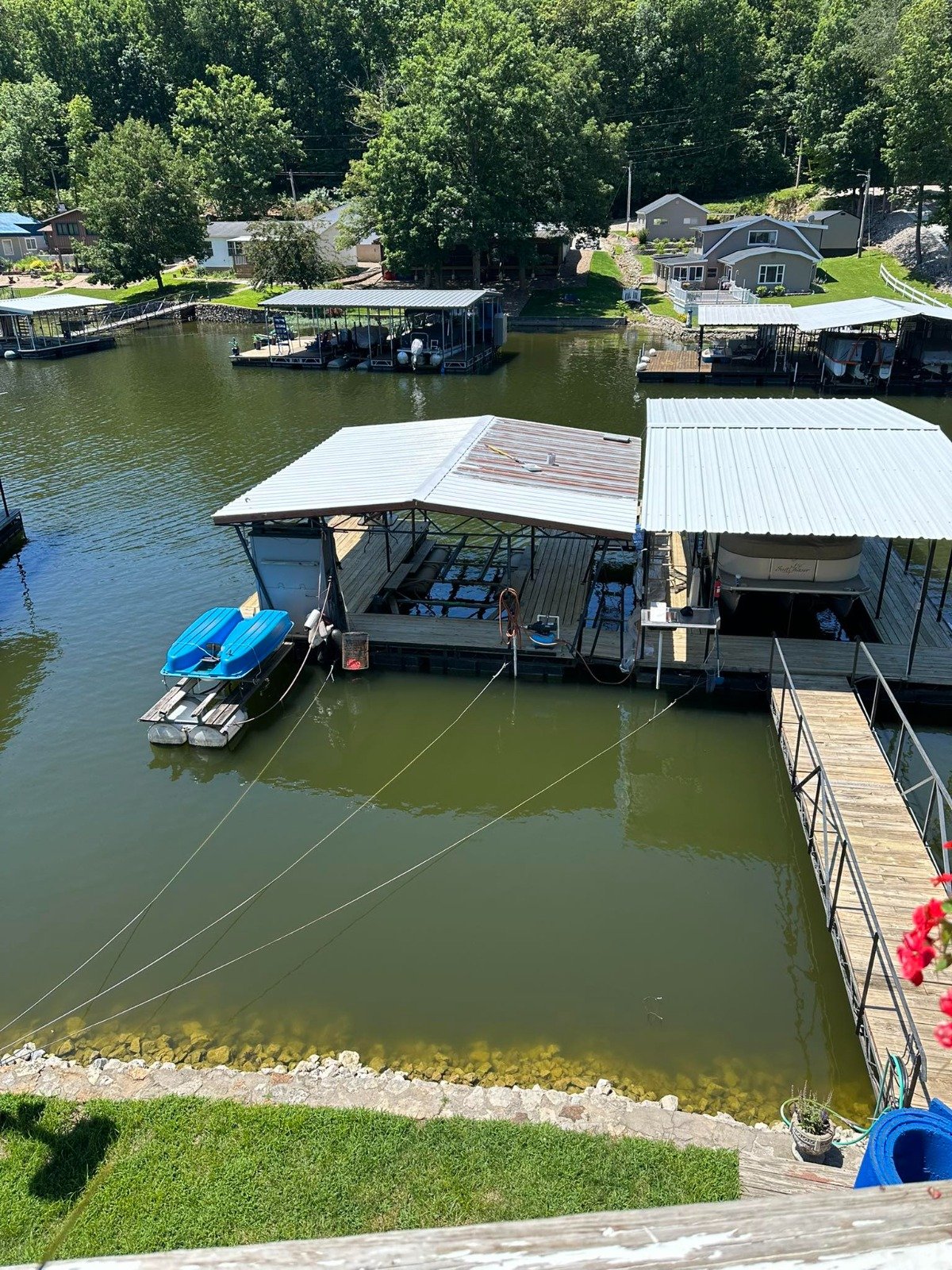
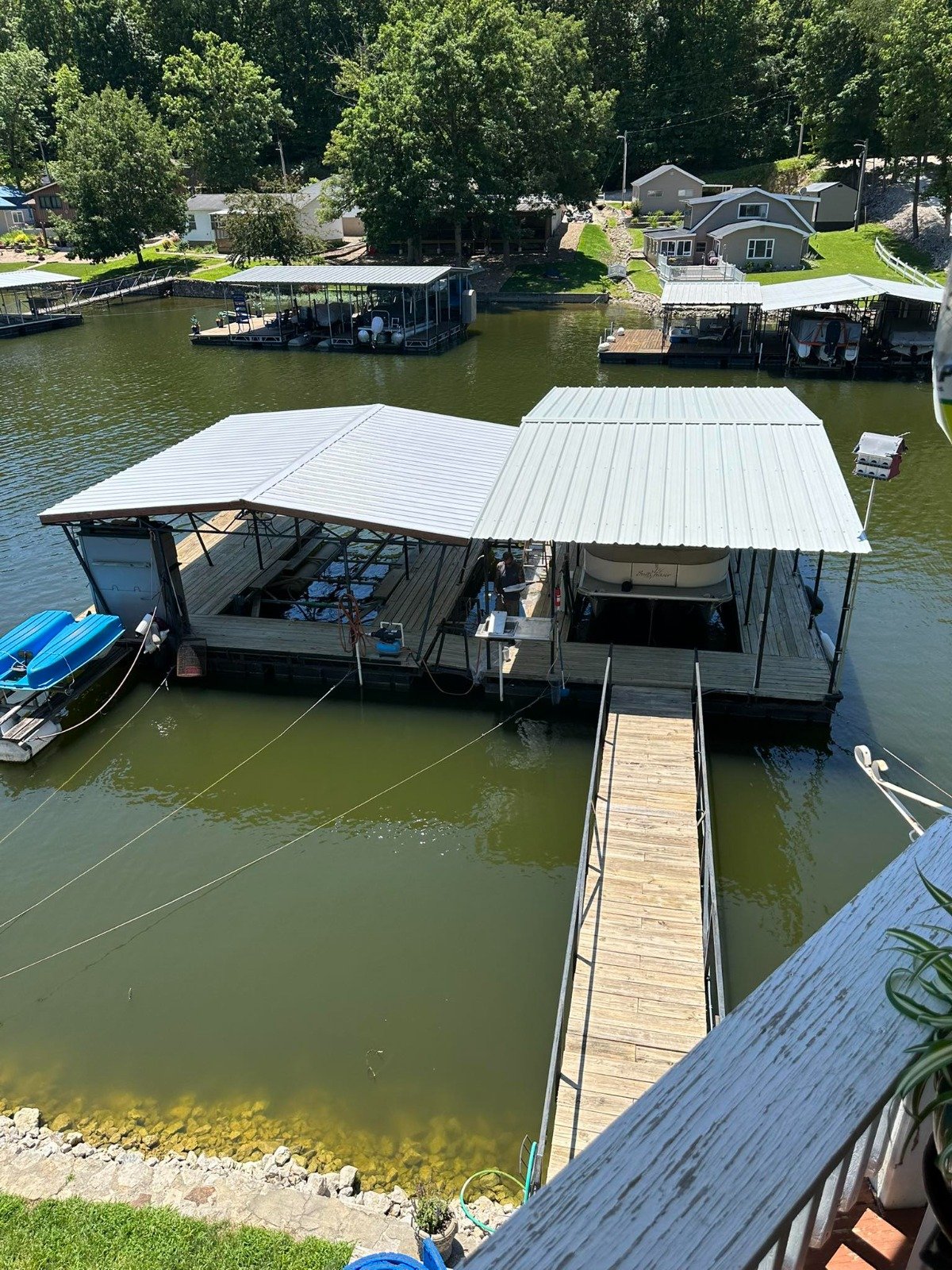
Dock Roof Cleaning and the Complete Dock Maintenance Picture
Dock roof cleaning delivers its full value as part of a complete dock maintenance approach — not as an isolated service applied to a roof while the dock surface and structure below remain unaddressed.
Dock surface cleaning
should accompany or follow dock roof cleaning — because a clean roof over a mold-covered dock surface still contributes to a dock that looks poorly maintained overall, and because the roof cleaning chemistry that drips to the dock surface below provides partial treatment value for surface biological growth that a complete dock surface cleaning can fully address.
Structural inspection
is most productively combined with dock cleaning visits — including dock roof cleaning. The cleaning process provides access to roof structure condition, connection hardware, and the underside framing that can’t be easily assessed without the close-contact access that a roof cleaning service provides.
Seasonal scheduling
that includes dock roof cleaning as a routine part of the spring opening and fall closing service — rather than an add-on addressed only when the roof becomes visibly concerning — keeps biological growth from reaching the compounding stage and maintains the dock’s visual presentation through the full season.
My Handyman LOZ includes dock roof cleaning as part of complete dock cleaning service packages for Lake Ozark properties — ensuring the full dock structure is addressed in a coordinated, efficient service visit.
What Lake Ozark Dock Roof Cleaning Results Look Like
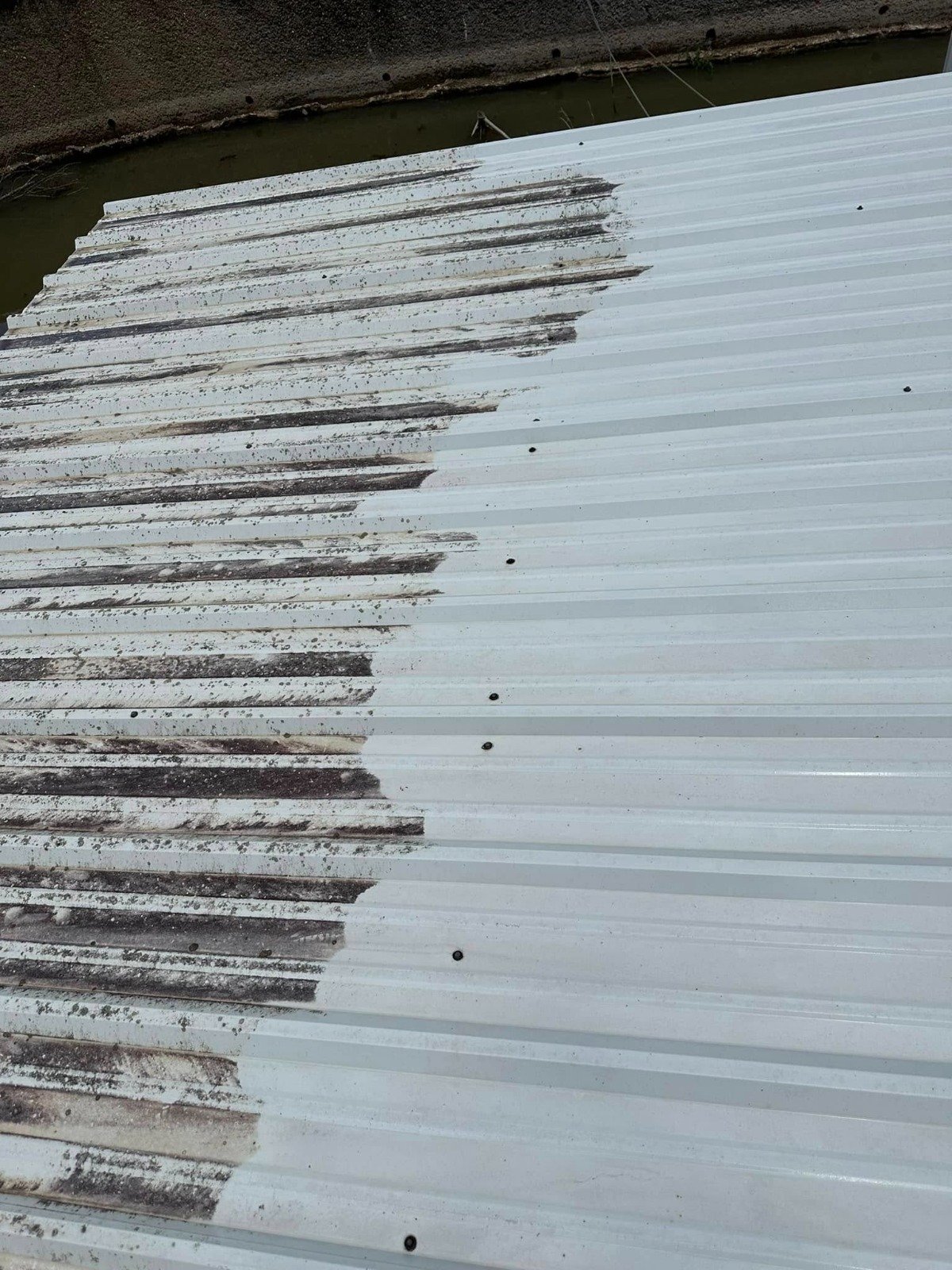
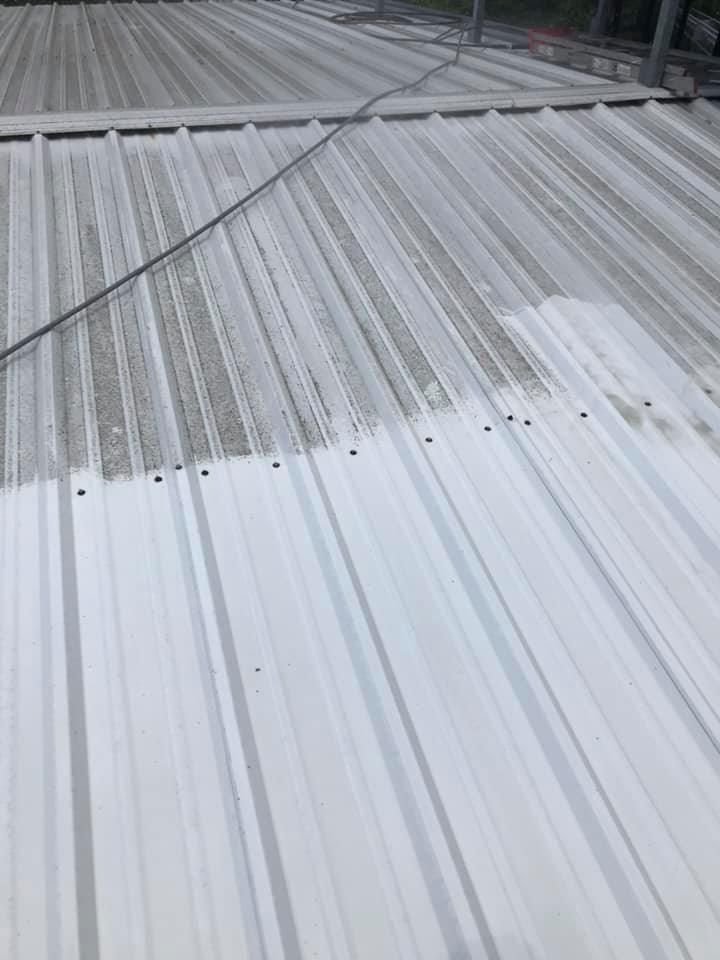
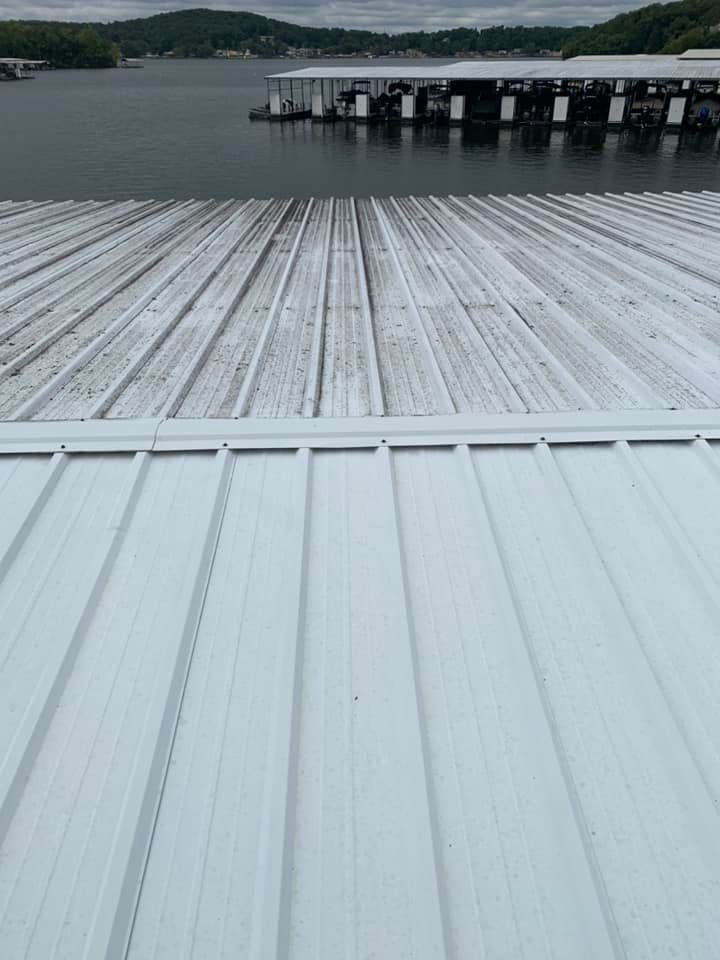
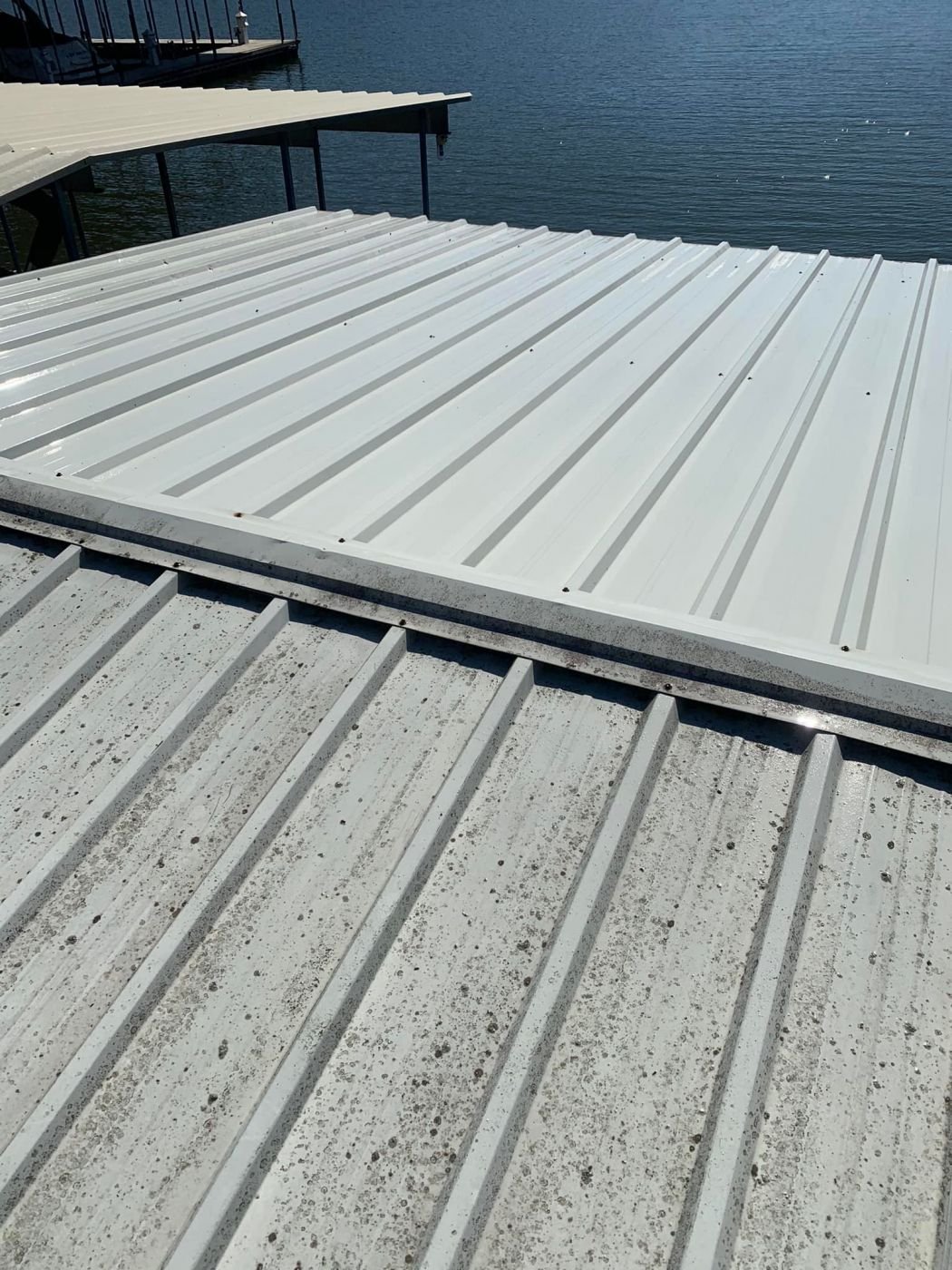
The before-and-after visual of a professionally cleaned dock roof at Lake Ozark is one of the more dramatic exterior cleaning results available. A roof that’s been dark with mold and algae streaking for multiple seasons — gray-green in the areas of heaviest growth, dark brown-black along the seams and low points — comes back to something close to its original appearance after a professional soft wash.
The dock looks newer. The property looks better maintained. The sightline from the house to the water improves. Guests arrive to a dock that presents well rather than one that raises questions about what else hasn’t been maintained.
For vacation rental owners, that visual restoration translates directly into better listing photos, better first impressions, and better reviews. For private lake homeowners, it’s the difference between a property that looks the way it should and one that’s quietly losing its curb appeal from the water line up.